Brainspotting Therapy: Healing Through the Body & Nervous System
A Brief History of Brainspotting
Brainspotting was developed in 2003 by psychotherapist David Grand, PhD, originally as an offshoot of EMDR. During trauma work, he noticed something powerful: when a client’s eyes naturally fixed on a certain spot in their visual field, deep emotional and somatic processing spontaneously occurred—even without talking.
This discovery led to Brainspotting, a therapy that works directly with the brain–body connection. Rather than focusing on cognition or storytelling, Brainspotting allows the nervous system to access and release what has been held beneath conscious awareness.
Brainspotting is now widely used to treat trauma, attachment wounds, anxiety, dissociation, performance blocks, and chronic emotional patterns—especially when talk therapy alone hasn’t worked.
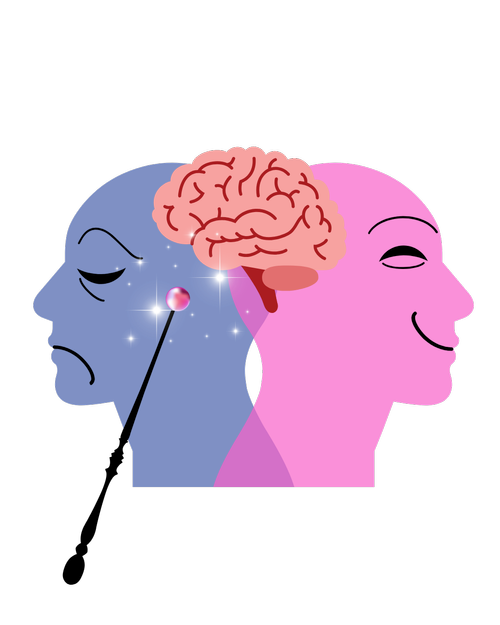
Brainspotting is a deeply embodied and often quiet therapy.
Instead of analyzing your past, we:
Identify a felt sense, emotion, or body sensation
Locate an eye position (“brainspot”) connected to that experience
Hold focused attention while your nervous system processes organically
You are not forced to talk or explain.
There is no “doing it right.”
Your body leads. I attune and support.
Clients often notice:
Subtle or intense body sensations (tingling, heaviness, warmth)
Emotional waves that come and go
Images, memories, or symbols arising naturally
A sense of release, openness, or clarity
Profound calm afterward
Many describe it as meditative but powerful, or like their body is finally speaking after years of being ignored.
What Brainspotting Does in the Brain & Body
Trauma and emotional wounds don’t just live in thoughts—they live in the nervous system.
When something overwhelming happens, especially early in life or in emotionally unsafe relationships, the body may:
Freeze
Disconnect
Stay hypervigilant
Hold tension or numbness
These responses can become chronic—even when the danger is gone.
Brainspotting works by:
Accessing subcortical brain regions (where trauma is stored)
Bypassing overthinking and intellectual defenses
Allowing the nervous system to complete what was interrupted
Releasing stored emotional and physiological stress
In simple terms:
Brainspotting helps your body finish what it never got to finish.
This is why it’s especially effective for people who:
Feel numb, foggy, or disconnected
Understand their patterns but can’t change them
Are highly functional yet emotionally exhausted
Struggle to “feel” things in talk therapy

Sample Brainspotting Case Conceptualization
Core Theme: “I’m Not Good Enough”
Brainspotting history-taking is less linear than traditional therapy. We don’t need a full narrative, we follow patterns, sensations, and emotional themes.
Rather than asking why, we explore:
Where you feel it
When it shows up
How your body responds
Present-Day Nervous System Clues
Tight chest when resting
Pressure to perform or achieve
Anxiety when waiting for a response
Guilt when prioritizing yourself
Emotional shutdown after disappointment
Body-Based Entry Points (Examples)
Entry Point 1: Early Felt Sense
Body Sensation: Quiet heaviness or emptiness
Associated Theme: “I’m on my own”
Brainspot Focus: Holding attention on the body sensation without forcing memory
Entry Point 2: Responsibility & Pressure
Body Sensation: Tight stomach or chest
Associated Theme: “I have to be successful to be okay”
Brainspot Focus: Staying with pressure while the nervous system processes
Entry Point 3: Achievement Without Satisfaction
Body Sensation: Restlessness or tension
Associated Theme: “Nothing is ever enough”
Brainspot Focus: Observing what happens when striving softens
Entry Point 4: Relationship Trigger
Body Sensation: Heaviness, sinking feeling
Associated Theme: “If I were enough, I’d be chosen”
Brainspot Focus: Allowing sadness and longing to move through the body
Entry Point 5: Present-Day Activation
Body Sensation: Anxiety, urge to check or overthink
Associated Theme: “Something is wrong with me”
Brainspot Focus: Tracking nervous system shifts in real time

Schedule Consult Call:
Here’s how to become a client:
Fill out the following form so we can meet for a 15-30 minute free consultation call.
Please have prepared the following for our call:
If you plan on using insurance, all required information.
The reason you are seeking out services (symptoms, patterns, what you would like to work on or improve of)
What you have tried before to help you
Your schedule to see if it matches mine
If I have decided that I can help and we both think this is a good match, your first session will be scheduled and you will fill out intake paperwork and consent forms to be completed.
Please note that psychotherapy is a weekly commitment. At this time, I am only taking clients who can meet every week.
If the form to the right doesn’t appear, email me at: therapy@cynthiamachlcsw.com